San Carlos, California

San Carlos

The City of Good Living — $2.33M-median homes, a beloved Laurel Street village, and top schools between Redwood City and San Mateo.

The city

San Carlos, California homes for sale in the City of Good Living.

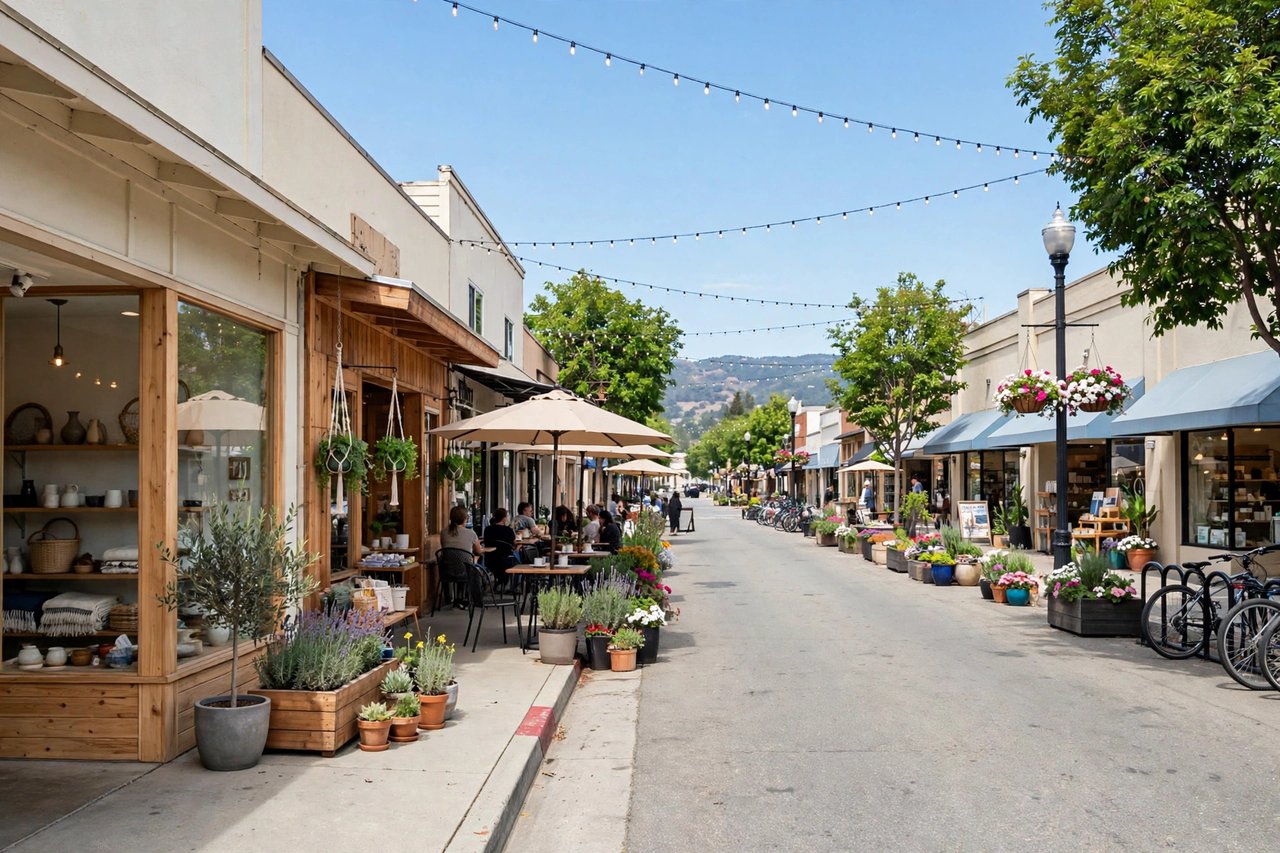
San Carlos calls itself the “City of Good Living,” and residents take the slogan personally. Tucked between Redwood City and Belmont along the Caltrain corridor, it’s a small city of tree-lined streets, mid-century ranches and a downtown — Laurel Street — that locals treat as their living room.

Buyers come for the village feel plus strong schools: the San Carlos School District’s elementaries feed into Sequoia Union high schools, and the $2.33 million median (Aug 2026) buys more than Menlo Park or Palo Alto. Sellers trade in a tight-inventory market where the $237K median household income keeps demand deep and Laurel Street proximity carries a premium.

“City of Good Living” Laurel Street village · Hiller Aviation Museum
$2.33M median sold Aug 2026 · county records
$237K median income Census ACS · deep buyer pool
Caltrain corridor Between Redwood City and San Mateo

At a glance

San Carlos: should you buy or sell here?

San Carlos is the mid-Peninsula’s village-value pick: homes sold at a $2.33 million median in August 2026, below Palo Alto and Menlo Park, with a $237K median household income, strong San Carlos School District elementaries and a beloved Laurel Street downtown. Buyers get top schools and genuine community at a relative discount. Sellers benefit from tight inventory and spillover demand — updated homes near the village move fast, so pricing to fresh comps and staging the indoor-outdoor California lifestyle earns the premium.

A sense of place

A village that happens to be a city.

San Carlos feels deliberately small: neighbors know each other on Laurel Street, the farmers’ market is a weekly reunion, and the Hiller Aviation Museum gives the town an unexpected claim to fame. It’s the Peninsula’s answer for people who want top schools and a real downtown without the northern price tags.

Housing Mid-century ranches, updated two-stories, hillside view homes.
Landscape Flat village core rising to wooded hillside streets.
Daily life Laurel Street dining, farmers’ market, Hiller Aviation Museum.
Laurel Street downtown with shops and cafes, San Carlos California
Laurel Street, San Carlos’ village downtown

01 / Education

Strong schools, small city.

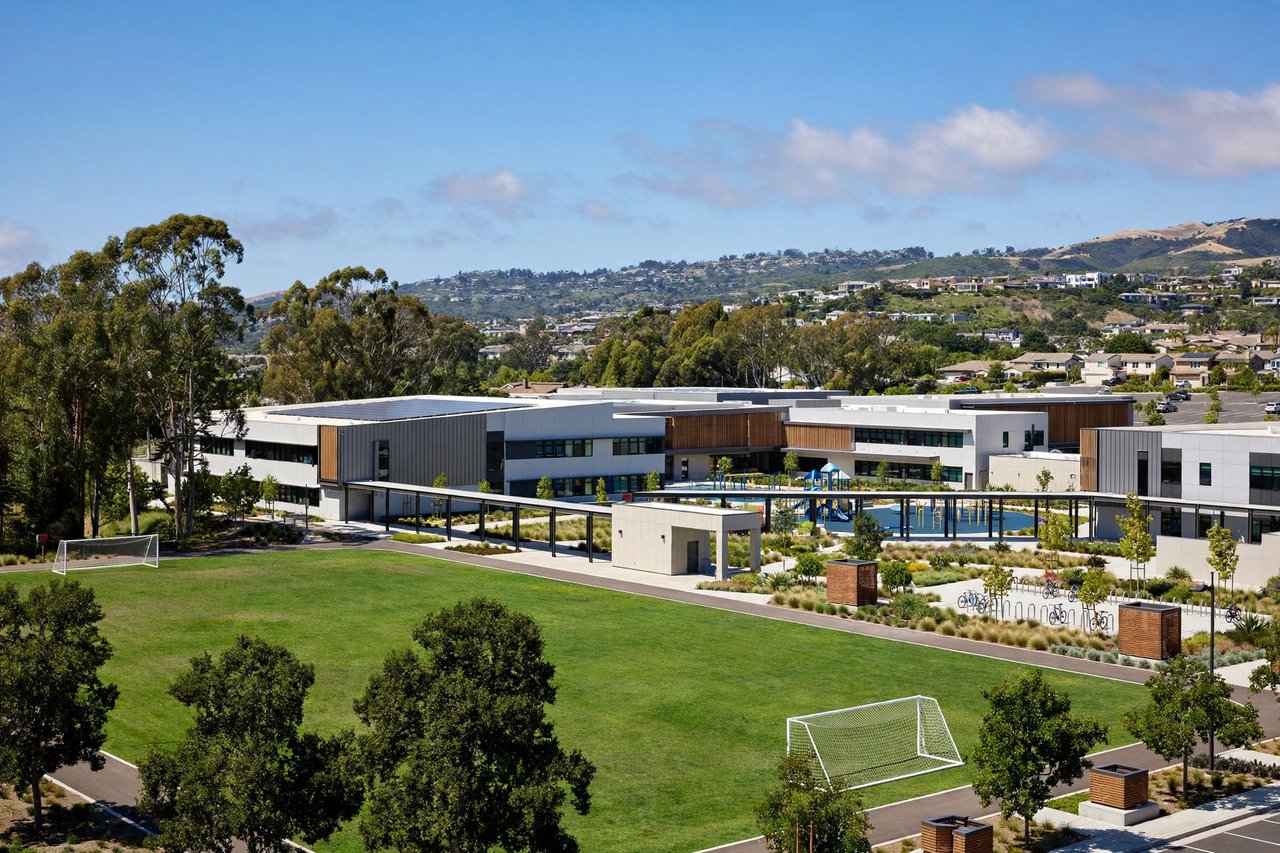
The San Carlos School District’s elementaries are a core driver of demand; high school runs through Sequoia Union. Verify any assignment directly with the districts.

02 / Parks

Canyon parks and hilltop views.

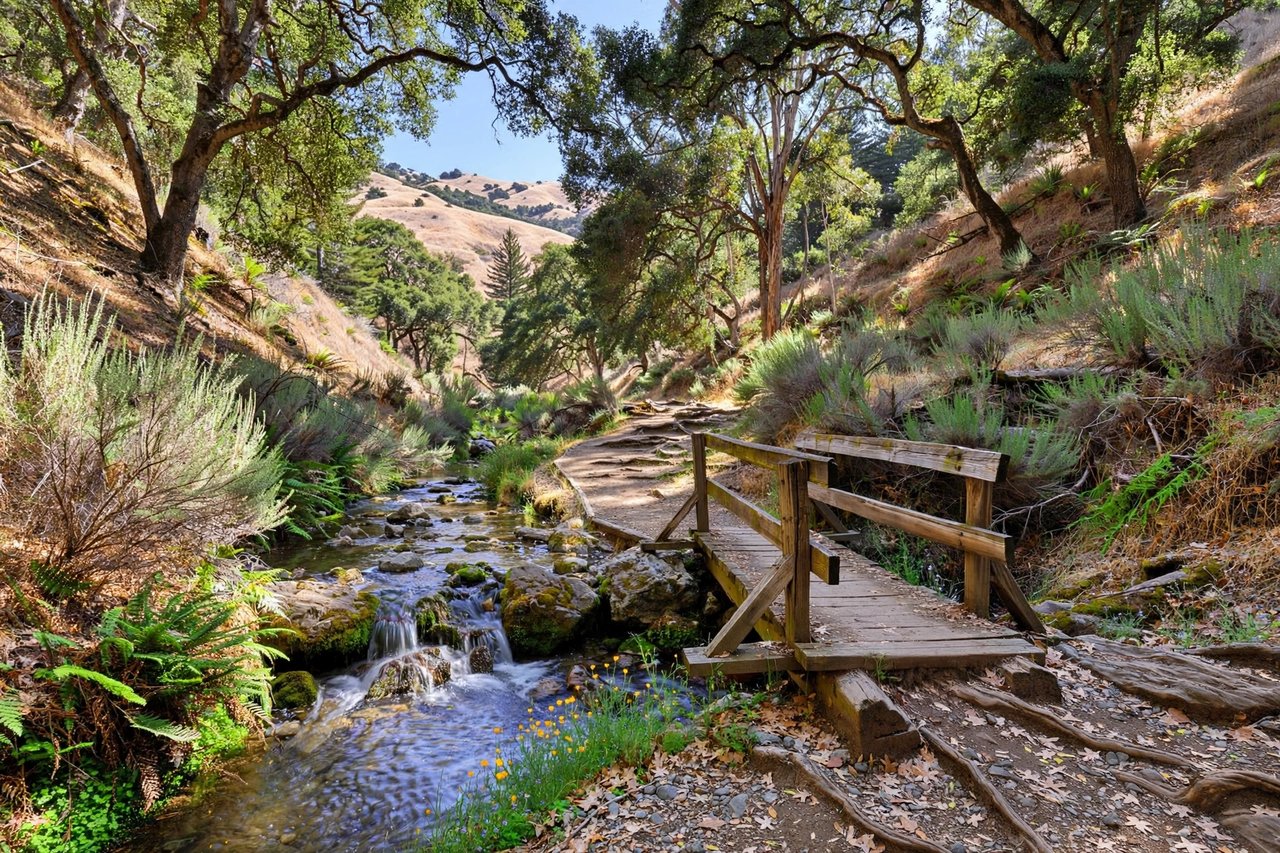
San Carlos rises from the flatlands into wooded hills, and its parks follow: Big Canyon Park’s creek-side trails, hilltop viewpoints, and neighborhood parks throughout the flatlands.

Big Canyon Park wooded canyon with creek trail, San Carlos California
01

Big Canyon Park

Creek-side trails in a wooded canyon · hillside

Official site
02

Burton Park

Sports fields and community events · central

Official site
03

Laureola Park

Neighborhood park with play areas · White Oaks

Official site

Nearby outdoors

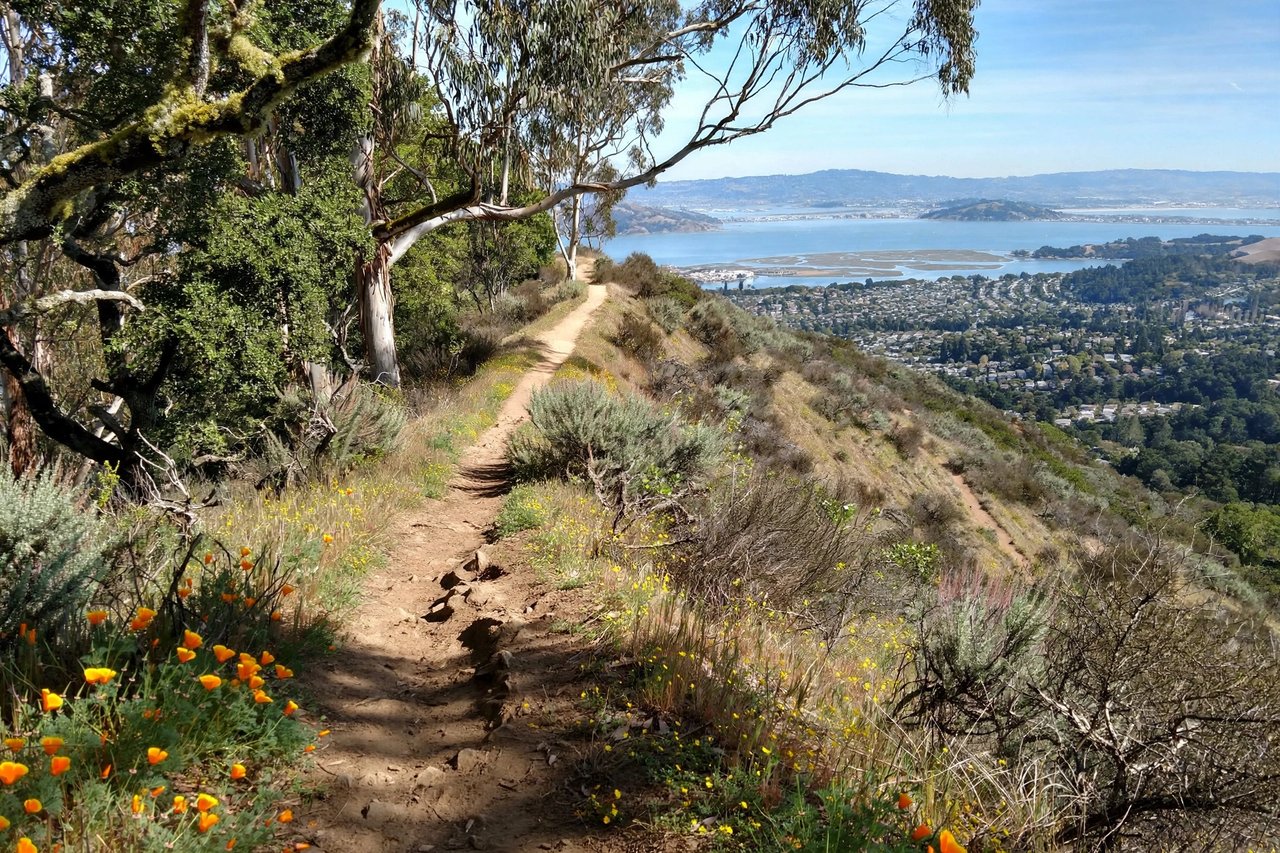
Ridge trails above the village.

The hillside streets lead straight to open space — trail access is one of San Carlos’ quiet advantages.

Pulgas Ridge hillside trail with bay views, San Carlos California
01

Pulgas Ridge

Hilltop trails with sweeping bay views.

02

Big Canyon trails

Shaded creek-side loops in the canyon.

03

Devonshire Canyon

Neighborhood trailheads into the hills.

Trail conditions, seasonal closures and access rules can change. Check the linked official resources before heading out.

03 / Local life

Laurel Street and the museum.

Laurel Street’s shops and restaurants are the city’s heart; the Hiller Aviation Museum at the airport end adds a one-of-a-kind attraction.

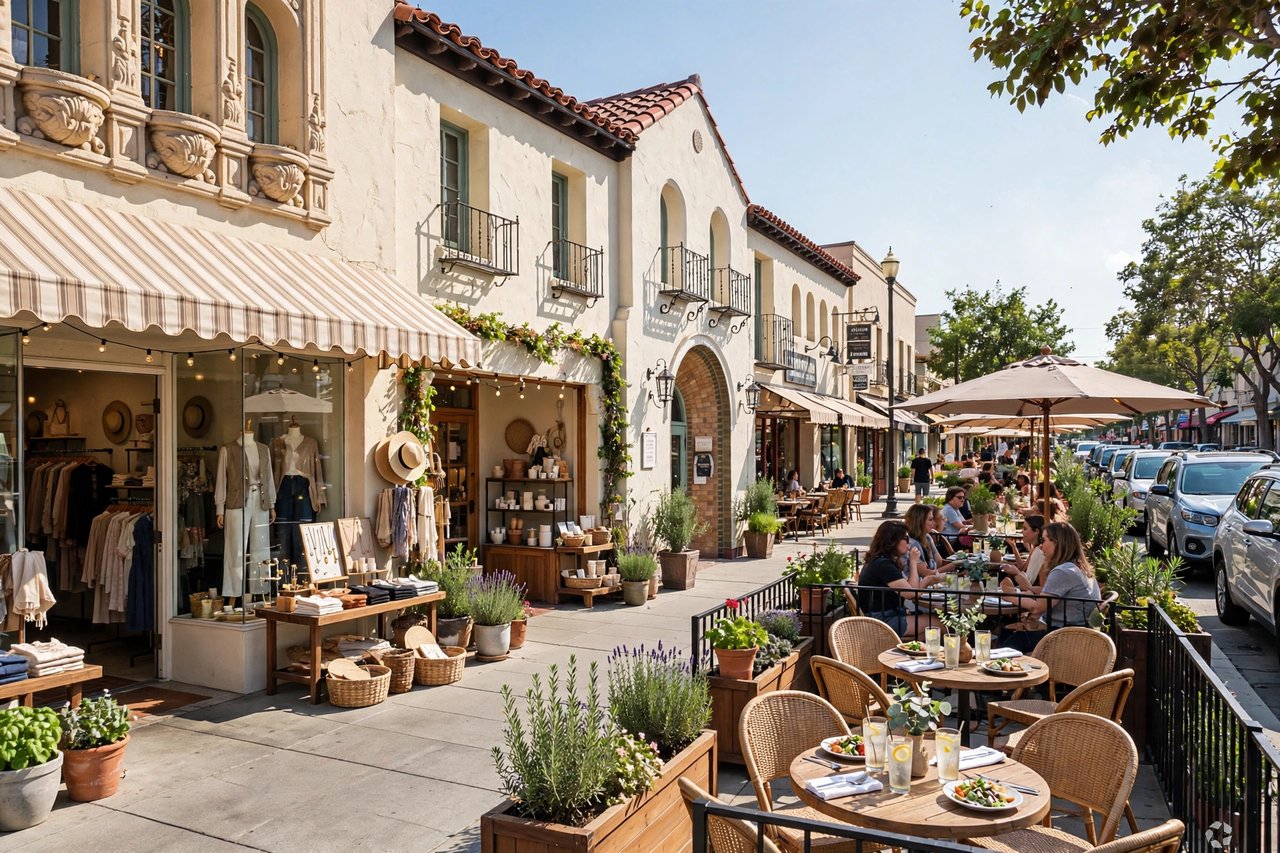
Boutique shops and restaurant patios on a main street, San Carlos California
Laurel Street’s shops and patios
Aviation museum exterior with vintage aircraft, San Carlos California
The Hiller Aviation Museum
Dining

Laurel Street

The village’s restaurant row — locals’ favorite for date night.

Museum

Hiller Aviation

Vintage aircraft and flight simulators at San Carlos Airport.

Market

Farmers’ market

A weekly community gathering on Laurel Street.

Schools

The draw

Top elementaries that anchor family demand.

Map & getting around

Getting around San Carlos.

San Carlos sits mid-Peninsula between Redwood City and Belmont, with Caltrain on its east side and I-280 to the west. These are the everyday destinations residents reach most.

5 min

Downtown San Carlos

5 min drive · Laurel Street

Directions
10 min

Downtown San Mateo

10 min drive · via El Camino Real

Directions
20 min

Stanford University

20 min drive · via I-280 S

Directions
20 min

San Francisco International Airport

20 min drive · via US-101 N

Directions

Market snapshot

Home values in San Carlos.

San Carlos pairs village charm with real buying power: a $2.33 million median in August 2026 and a $237K median household income — top schools at a discount to the northern Peninsula.

$237K

Median household income

Citywide approx. · Census ACS data

$2.33M

Median home price

Citywide approx. · county records, Aug 2026

$4M+

High-end price point

Citywide approx. · recent luxury-tier sales

Figures are approximate; median sold as of Aug 2026. Sources: U.S. Census Bureau (ACS), county records via realty.com.

Buyer guidance

Buying a home in San Carlos?

San Carlos rewards buyers who value the village: homes near Laurel Street and top elementaries carry premiums, while hillside streets trade on views. Inventory is tight, so be prepared — but verify school assignment by address and check hillside drainage on upslope lots.

Mid-century ranches with update potential are the classic San Carlos play. Get fully underwritten and know the White Oaks and Alder Manor premiums before you write.

Seller guidance

Selling your San Carlos home?

Tight inventory is your edge — but buyers here are school-driven and selective. Market the elementary assignment explicitly, stage the indoor-outdoor living, and price to the freshest comps; overpricing in a small market gets noticed fast.

Laurel Street proximity is a feature worth naming in every listing. Twilight photography and a clean inspection package move updated homes quickly here.

Buyer & seller questions

San Carlos real estate FAQ.

What is the median home price in San Carlos?

The median sold price was about $2.33 million in August 2026, per county records — with a $237K median household income supporting strong demand.

What schools serve San Carlos?

The San Carlos School District serves K–8 in well-regarded neighborhood elementaries; high school runs through the Sequoia Union High School District. Verify any address directly with the districts.

What is Laurel Street?

Laurel Street is San Carlos’ downtown — a walkable village of shops, cafes and restaurants that anchors the city’s social life, plus a weekly farmers’ market.

How is the commute from San Carlos?

Caltrain serves the east side to San Francisco and San Jose; US-101 and I-280 cover the corridor; SFO is about 20 minutes. It’s one of the Peninsula’s easier commutes.

What is the Hiller Aviation Museum?

A San Carlos landmark at the airport — vintage aircraft, flight simulators and aviation history, popular with families across the Peninsula.

What should sellers know about the San Carlos market?

Inventory is tight and buyers are school-driven: name the elementary assignment, stage indoor-outdoor living, and price to fresh comps — overpricing gets noticed fast in a small market.

Continue exploring

Explore San Carlos’s neighborhoods.

Every San Carlos neighborhood has its own price band, school assignment and character. Start with the area guides below — each one covers homes for sale, schools, parks and what it costs to buy or sell there.

Local guidance

Explore San Carlos with Simon Sahi.

For a property-specific view of San Carlos homes, school placement and block-by-block differences, begin with the exact address and a thoughtful local conversation.