Mediterranean villa courtyard with fountain, Palo Alto

Silicon Valley Buying Guides

How to Buy a Home in Palo Alto

Stanford's hometown and Silicon Valley's premier housing market — a $4.1M single-family median, the top-ranked Palo Alto Unified schools, and competition that rewards buyers who arrive fully prepared.

Market snapshot

Palo Alto: what buyers face in 2026.

Palo Alto is the Peninsula's benchmark market: single-family homes sold at a roughly $4.1 million median in 2026, with 14 homes trading above $10 million. Demand is anchored by Stanford University and the Palo Alto Unified School District, consistently ranked among California's best — school assignment moves prices block by block, so verify any address directly with PAUSD before you fall in love with a house.

Inventory is thin and the buyer pool is deep, but buyers are selective at these levels. Updated homes near top schools draw multiple offers; original-condition homes trade at a meaningful discount and attract contractors and flippers. Condos and townhomes near downtown and California Avenue offer a lower entry point, typically in the high-$2M range.

$4.1MSingle-family median, approx. as of Oct 2026
Multiple offers on updated homes14 sales above $10M in 2026
$260KMedian household income, approx.
Very highSchool-driven demand, deep buyer pool

Where to buy

Where to buy in Palo Alto.

Start with the neighborhood, not the listing. Each area below has its own price dynamics, school assignments, and buyer pool — explore the full guide before you tour.

Downtown Palo Alto

University Avenue living — walkable dining, Caltrain at your doorstep, and condos plus historic homes steps from downtown.

Explore Downtown Palo Alto

Midtown Palo Alto

A quieter residential pocket with strong PAUSD schools, Eichler tracts, and relative value versus Old Palo Alto.

Explore Midtown Palo Alto

Stanford Area

Professorville's historic streets and College Terrace — the highest premiums in the city, driven by Stanford proximity and character homes.

Explore Stanford Area
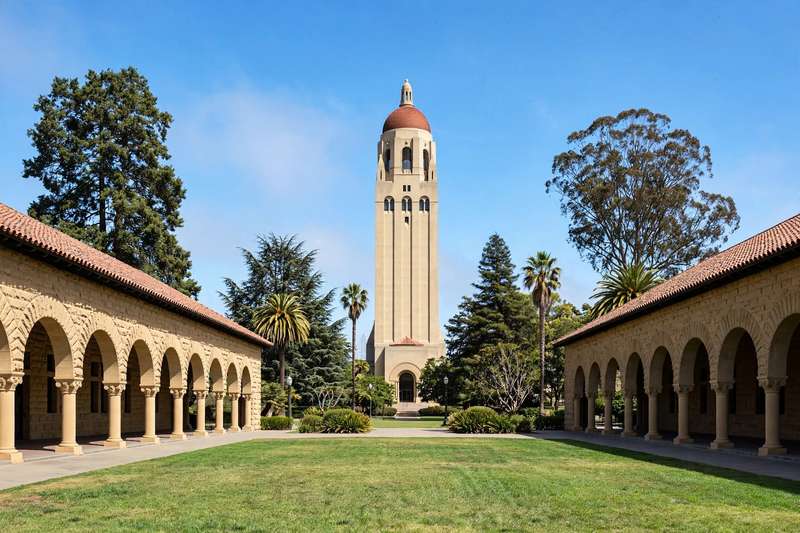
Stanford University Hoover Tower and arcade, Palo Alto
Why buyers choose Palo Alto — the streets, schools, and daily life behind every buying decision.

The process

Buying a Palo Alto home, step by step.

  1. Get your buying power documented

    Silicon Valley moves too fast for a casual pre-approval. Get fully underwritten by a lender who knows jumbo loans — above the conforming limit, which most Peninsula purchases exceed. Underwriting (not just pre-qualification) is what listing agents take seriously, and it can decide a multiple-offer contest.

  2. Define your city and school priorities

    Commute, schools, and lifestyle pull in different directions here. Rank them honestly before you tour: a top-school assignment can add six figures to a price, and a 20-minute commute difference compounds daily. Your agent should map school boundaries to exact addresses, not zip codes.

  3. Partner with a local strategist

    The best homes often trade before they reach the portals — through agent networks, coming-soon channels, and quiet pocket listings. An agent embedded in the local market sees inventory you won't find on an app, and knows which listing agents actually return calls.

  4. Tour with intent, not just enthusiasm

    Look past staging: foundation cracks, drainage grading, roof age, electrical panels, and sewer laterals. In competitive markets, the inspection contingency window is short — do your homework during the tour so you can move decisively when it counts.

  5. Structure a winning offer

    Price is one lever among many. Clean terms — short contingencies, flexible closing, rent-back options for sellers who need time — frequently beat a higher number with heavy conditions. Your agent should call the listing agent before writing to learn what the seller actually values.

  6. Inspect and investigate

    General inspection plus the Silicon Valley specials: sewer lateral scope (mature trees + old clay pipe), foundation review on older homes, and for hillside properties, geotechnical review. In fire zones, confirm insurance availability and cost before you remove contingencies.

  7. Appraisal and final loan approval

    Appraisals often lag contract prices in rising micro-markets. Discuss the gap strategy with your lender upfront: how much cash can you bring if the appraisal comes in light? Surprises here kill more deals than any other single issue.

  8. Close and take the keys

    Final walkthrough, wire the funds through verified channels (wire fraud is real — always confirm instructions by phone), sign, and record. Then change the locks, meet the neighbors, and start the best part.

Thinking of buying in Palo Alto?

Get a straight read on the market, off-market opportunities, and what your budget actually buys — before you tour a single home. Free buyer consultation, no obligation.

Winning offers

Winning offers in Palo Alto.

In Palo Alto, the winning offer is usually the cleanest, not just the highest. Sellers at $4M+ favor buyers who are fully underwritten (not merely pre-approved), flexible on timing, and light on contingencies. If you need an inspection contingency, pair it with a short fuse — seven days, not seventeen. Escalation clauses are less common here than in San Jose; a strong, simple number with a personal letter still resonates with many sellers, though some listing agents discourage them.

Know your premiums before you bid. Professorville and Old Palo Alto command historic-character premiums; the Eichler tracts in south Palo Alto trade lower but carry architectural cachet of their own. Verify the exact school assignment — a home one block outside a preferred elementary boundary can appraise very differently. And budget for the gap: appraisals frequently lag contract prices in rising micro-markets, so buyers should be ready to cover a shortfall.

Buyer FAQs

Palo Alto buying questions, answered.

Straight answers on prices, schools, competition, and strategy — the questions Palo Alto buyers actually ask.

What is the median home price in Palo Alto?

The single-family median was about $4.1 million in 2026, with 14 homes selling above $10 million. Condos and townhomes trade lower, generally in the high-$2M range. All figures approximate as of Oct 2026.

Why do Palo Alto schools matter so much for home prices?

The Palo Alto Unified School District ranks among California's best, and assignment to schools like Palo Alto High and Gunn High is a primary driver of value. Boundaries shift — always verify an address directly with PAUSD.

Which Palo Alto neighborhoods are most expensive?

Old Palo Alto and Professorville carry the highest premiums for historic character and Stanford proximity. South Palo Alto and the Eichler tracts offer relative value with the same school district.

How competitive is the Palo Alto market right now?

Updated homes near top schools still draw multiple offers, though buyers are selective at $4M+. Original-condition homes move slower and often sell below list — opportunity for buyers with vision.

Should I buy a condo or a single-family home in Palo Alto?

Condos near downtown and California Avenue offer walkability and a lower entry point, but HOAs and Mello-Roos-style assessments vary. Single-family homes hold value better long-term thanks to land. Your timeline decides.

Do I need to be pre-approved before touring in Palo Alto?

Yes — and go further: get fully underwritten. Listing agents here take underwritten buyers far more seriously, and in a multiple-offer situation it can be the tiebreaker.

Local guidance

Buy in Palo Alto with Simon Sahi.

For a property-specific read on Palo Alto — the right neighborhood for your budget, off-market opportunities, and offer strategy that wins — start with a conversation.

Send us a messageWe usually reply within a few hours.