
Silicon Valley Buying Guides
How to Buy a Home in Los Altos Hills
Acreage, oaks, and quiet — a $5.5M single-family median on minimum one-acre lots, where Silicon Valley's wealth buys privacy twenty minutes from the office.
Silicon Valley Buying Guides
Acreage, oaks, and quiet — a $5.5M single-family median on minimum one-acre lots, where Silicon Valley's wealth buys privacy twenty minutes from the office.
Market snapshot
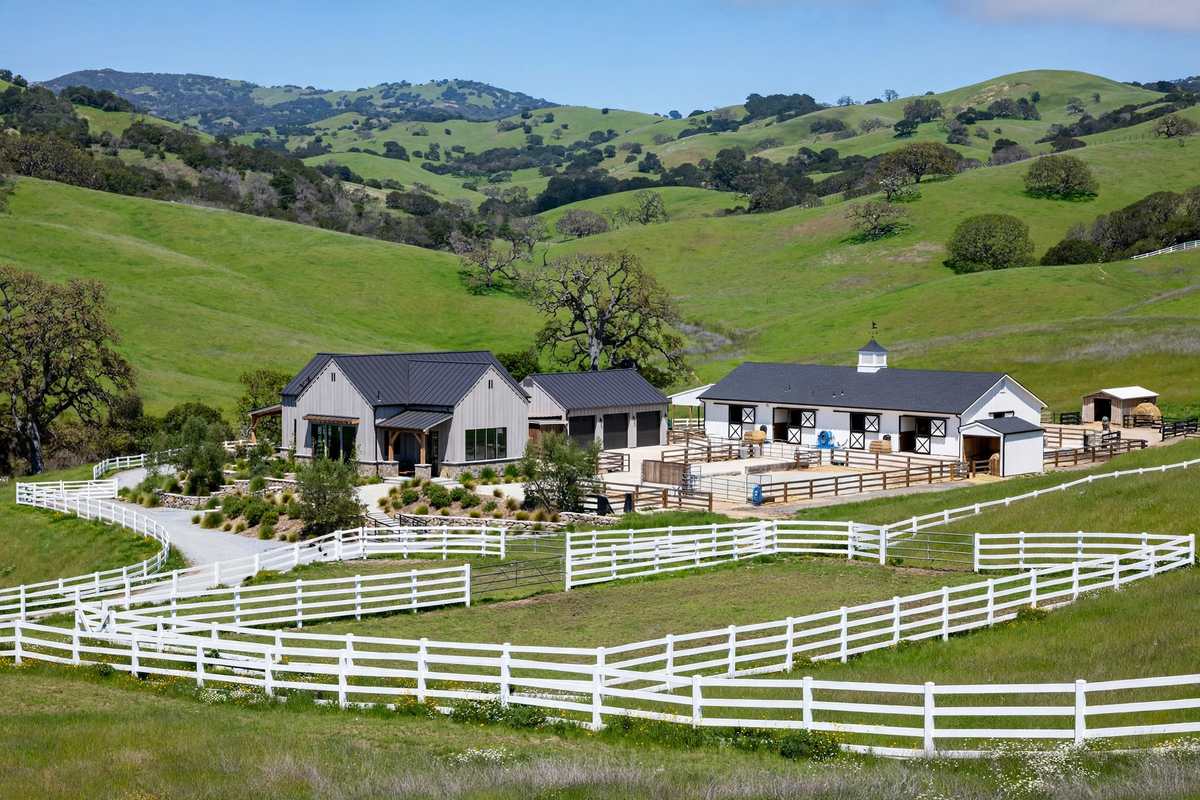
Los Altos Hills is zoning-as-lifestyle: one-acre minimum lots, no commercial downtown, and a rural-residential character protected for decades. The single-family median sits near $5.5 million (approx. Oct 2026), spanning updated ranch estates to architect-designed compounds. Buyers come for space, views, and privacy — horses are still a common sight.
This market moves on its own clock. Days on market run longer than Los Altos or Palo Alto, and the buyer pool is smaller but fully serious — many pay cash. Septic systems, wells, and view easements are normal diligence items here, not red flags. Proximity to Foothill College, downtown Los Altos, and the 280 corridor anchors daily life.
Where to buy
Start with the neighborhood, not the listing. Each area below has its own price dynamics, school assignments, and buyer pool — explore the full guide before you tour.
Near the foothills with open-space adjacency — larger parcels and a true country feel.
Explore LakesideElevated streets with bay and hillside views; view premiums are real and durable here.
Explore The FoothillsWooded, private enclaves under the redwoods — seclusion minutes from Los Altos village.
Explore The Redwoods
The process
Silicon Valley moves too fast for a casual pre-approval. Get fully underwritten by a lender who knows jumbo loans — above the conforming limit, which most Peninsula purchases exceed. Underwriting (not just pre-qualification) is what listing agents take seriously, and it can decide a multiple-offer contest.
Commute, schools, and lifestyle pull in different directions here. Rank them honestly before you tour: a top-school assignment can add six figures to a price, and a 20-minute commute difference compounds daily. Your agent should map school boundaries to exact addresses, not zip codes.
The best homes often trade before they reach the portals — through agent networks, coming-soon channels, and quiet pocket listings. An agent embedded in the local market sees inventory you won't find on an app, and knows which listing agents actually return calls.
Look past staging: foundation cracks, drainage grading, roof age, electrical panels, and sewer laterals. In competitive markets, the inspection contingency window is short — do your homework during the tour so you can move decisively when it counts.
Price is one lever among many. Clean terms — short contingencies, flexible closing, rent-back options for sellers who need time — frequently beat a higher number with heavy conditions. Your agent should call the listing agent before writing to learn what the seller actually values.
General inspection plus the Silicon Valley specials: sewer lateral scope (mature trees + old clay pipe), foundation review on older homes, and for hillside properties, geotechnical review. In fire zones, confirm insurance availability and cost before you remove contingencies.
Appraisals often lag contract prices in rising micro-markets. Discuss the gap strategy with your lender upfront: how much cash can you bring if the appraisal comes in light? Surprises here kill more deals than any other single issue.
Final walkthrough, wire the funds through verified channels (wire fraud is real — always confirm instructions by phone), sign, and record. Then change the locks, meet the neighbors, and start the best part.
Get a straight read on the market, off-market opportunities, and what your budget actually buys — before you tour a single home. Free buyer consultation, no obligation.
Winning offers
Los Altos Hills rewards patience and thorough diligence, not speed. Sellers are typically equity-rich and unhurried — lowball offers on well-priced estates go nowhere. Win with clean proof of funds, realistic timelines that respect septic/well inspections, and respect for the property's story. Many sellers care who the next steward is; a thoughtful buyer letter still lands here.
Do the rural-property homework: septic inspection and capacity, well production and water quality, easements that protect (or threaten) views, and fire-defensible-space requirements in the hillside zones. Get a survey if lot lines are ambiguous — on one-acre-plus parcels, they often are. Price discipline matters: unique estates are hard to appraise, so be ready to bridge an appraisal gap with cash.
Buyer FAQs
Straight answers on prices, schools, competition, and strategy — the questions Los Altos Hills buyers actually ask.
Roughly $5.5 million for single-family homes as of Oct 2026, spanning updated ranches to architect-designed estates on acreage.
Yes — one-acre minimum zoning defines the town and preserves its rural character. It's the core of the value proposition.
Many use septic systems and some use wells. Inspection of both is standard diligence — budget for it and don't skip it.
Families come for space, top Los Altos schools nearby, and a safe, quiet setting. The tradeoff: no walkable downtown — daily life runs on cars.
Longer than neighboring cities — the ultra-luxury buyer pool is smaller. Well-priced, updated estates still move; overpriced listings sit.
Parts of the hills fall in elevated fire zones. Confirm the zone, insurance availability and cost, and defensible-space compliance before you commit.
Local guidance
For a property-specific read on Los Altos Hills — the right neighborhood for your budget, off-market opportunities, and offer strategy that wins — start with a conversation.