Seller’s Guide — Mountain View, California
Mountain View is Google’s hometown with a $2.2 million median — the Peninsula’s best value relative to campus access. Castro Street’s downtown, the Eichler and ranch neighborhoods, and Shoreline’s open space give it a genuine live-work character. Sellers ride permanent demand from the Googleplex and the surrounding tech corridor; updated homes near downtown and top schools move fastest.
Market snapshot
Mountain View is Google’s hometown with a $2.2 million median — the Peninsula’s best value relative to campus access. Castro Street’s downtown, the Eichler and ranch neighborhoods, and Shoreline’s open space give it a genuine live-work character. Sellers ride permanent demand from the Googleplex and the surrounding tech corridor; updated homes near downtown and top schools move fastest.
Timing, pricing, and preparation decide what your home earns. This guide covers all three — the seasonal windows, the pricing psychology that manufactures competition, and the preparation checklist for this price band. Back to all Silicon Valley guides
Timing
Mountain View’s seasons are straightforward: March through May is prime time, with the deepest buyer pool and the best showing weather. September and October form a strong second act — Google’s hiring and transfer cycles run year-round, so relocation buyers appear in every season. The winter holidays are the slowest stretch, but Mountain View’s chronic undersupply means even December listings get showings. For Castro Street–adjacent and downtown homes, any season works: walkability to downtown is a year-round selling point. School-calendar timing matters most for family-sized homes near the top-rated elementaries.
Google’s year-round hiring means relocation buyers appear in every season — undersupply does the rest.

Pricing strategy
At a $2.2 million median, Mountain View pricing rewards the comp-driven approach. The gap between original-condition and updated homes is wide — Eichlers and ranch homes in particular trade on condition tiers. Price from the closest condition match, not the neighborhood’s prettiest sale, and the market will confirm a sharp number quickly.
Slight underpricing to spark competition works well for turnkey homes, where multiple offers are common. But Mountain View also has a steady investor and contractor bid base for homes needing work — price those to the math, and let the two buyer types compete rather than hoping one overpays.
The highest sale prices come from bidding wars, and bidding wars come from sharp launch pricing. Set the number a touch under the freshest comparable sales and qualified buyers compete upward — the market pays you more than any aspirational asking price would.
This only works from a credible base. Anchor to closed sales, not active listings, and never open with a number you expect to negotiate down.
Some homes deserve to reach: irreplaceable setting, historic character, or a block where nothing trades. Reaching is a strategy, not a hope — it needs evidence (the premium similar special homes actually closed at) and flawless presentation to carry it.
Without both, aspiration pricing just buys days on market. And days on market are read by every buyer as a signal to wait for the cut.
Home preparation
Google-town buyers are busy and analytical — make it easy: turnkey presentation, clean reports, fast decisions.
First impressions
Curb appeal & landscaping
Buyers decide before they reach the door. Fresh mulch, trimmed plantings, a painted front door, and a spotless entry — the exterior sets the price expectation for everything inside.
Interiors
Declutter, paint & light
Neutral paint, edited rooms, and layered lighting photograph best and show largest. Remove half the furniture you think you should — space is what buyers are buying.
Inspections
Before launch, not during escrow
Pre-listing inspections and completed repairs remove the buyer’s leverage for credits and keep escrow on rails. Surprises in escrow cost more than repairs ever do.
Staging
Fitted to the price band
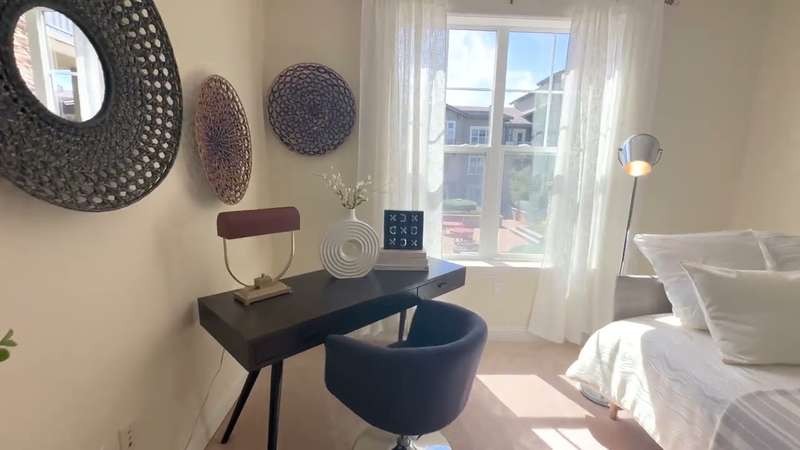
Staging should match what Mountain View buyers expect at this level — warm and modern, scaled to the rooms, and gone from every closet the buyer will open.
Preparation scope is set per property after a walkthrough — the checklist above is the standard, tuned to your home.

Marketing
Every listing runs like a launch: deep preparation before day one, pricing grounded in micro-market data, and marketing engineered to put the home in front of every qualified buyer — then manage the competition it creates.
Your list price is set from fresh micro-market comparable sales in Mountain View — closed, nearby, and similar — then tuned for condition, setting, and timing. The goal is a number that invites competition, not one that invites a price cut.
Professional photography, cinematic video walkthroughs, and twilight and drone coverage where the property earns it. Buyers decide in the first seconds of the first photo — every frame is composed to win them.
Your listing is distributed across the major search portals and networks from day one, with social distribution to put it in front of qualified local buyers — not just the ones already browsing.
Before launch day, the listing is previewed through private networks and qualified-buyer outreach where it fits the strategy — so day one starts with demand, not silence.
Coordinated showings, staffed open houses, and disciplined offer management: every inquiry answered fast, every offer presented clearly, every negotiation run to maximize your net — not just the headline price.
Keep exploring
Village-level knowledge prices homes correctly. Explore the neighborhood guides, or switch sides of the table:
How to buy a home in Mountain View · All Silicon Valley guides
Seller questions
Straight answers on timing, pricing, and preparation — specific to selling in Mountain View.
March through May is prime; September and October are a strong second window. Google’s year-round hiring brings relocation buyers in every season, and chronic undersupply keeps even winter listings active.
Dramatically — the gap between original-condition and updated Eichlers and ranch homes is wide. Price from the closest condition match, not the neighborhood’s top sale.
Usually not a full renovation — you rarely recover the cost. Focus on paint, floors, landscaping, and kitchen and bath refreshes that photograph well and signal move-in readiness.
Yes — walkability to Castro Street is a year-round selling point. Market it explicitly; downtown-adjacent homes draw a premium buyer pool.
Well-priced, updated homes often go quickly with multiple offers. Overpriced or tired listings linger — the buyer pool is analytical and comp-aware.
Price against the freshest comparable complex sales and watch HOA health — dues, reserves, and any special assessments. Strong complexes near downtown and transit hold value well.
Free home valuation
A valuation grounded in your micro-market — fresh comparable sales, your home’s condition and setting, and a pricing strategy for the season you want to sell in. No obligation, just the numbers.